10 Effective Personal Finance Tips for Young Vietnamese in 2026

Struggling with money in 2026? This article reveals 10 super effective personal finance tips to help young Vietnamese (Gen Z & Millennials) achieve financial independence, from smart budgeting to profitable investing and overcoming the pressure of a 'luxurious lifestyle'.
In 2026, young Vietnamese face numerous opportunities alongside significant financial challenges. From the "get rich quick" pressure amplified by social media to soaring living costs, personal finance management is no longer an option but an essential survival skill. Alarmingly, only 30% of adult Vietnamese are financially literate, and this figure is even lower among Gen Z. Many young people admit to running out of money before payday or struggling with long-term financial planning.
However, there's a positive trend: young Vietnamese are increasingly interested in financial autonomy. According to a Visa survey, 66% of Gen Z actively save and invest early, with 56% of new investment accounts in early 2024 belonging to those under 30. This indicates significant potential for transforming personal financial landscapes.
So, how can young Vietnamese manage their finances more effectively in 2026? Here are 10 practical and easy-to-apply tips:
1. Implement Smart Budgeting: The 50/30/20 Rule
One of the most common mistakes is emotional spending without a plan. The 50/30/20 rule offers an effective guideline: 50% of your income for needs (housing, food, transportation), 30% for wants (entertainment, non-essential purchases), and 20% for savings/investments. Make it your personal "financial operating system".
Expense tracking apps like Money Lover, Sổ Thu Chi Misa, or even "Financial Overview" features in digital banking apps (like SHB SAHA) can help you visually track and categorize your spending, preventing the "quick payment – financial blindness" trap.
2. Prioritize Saving (Pay Yourself First)

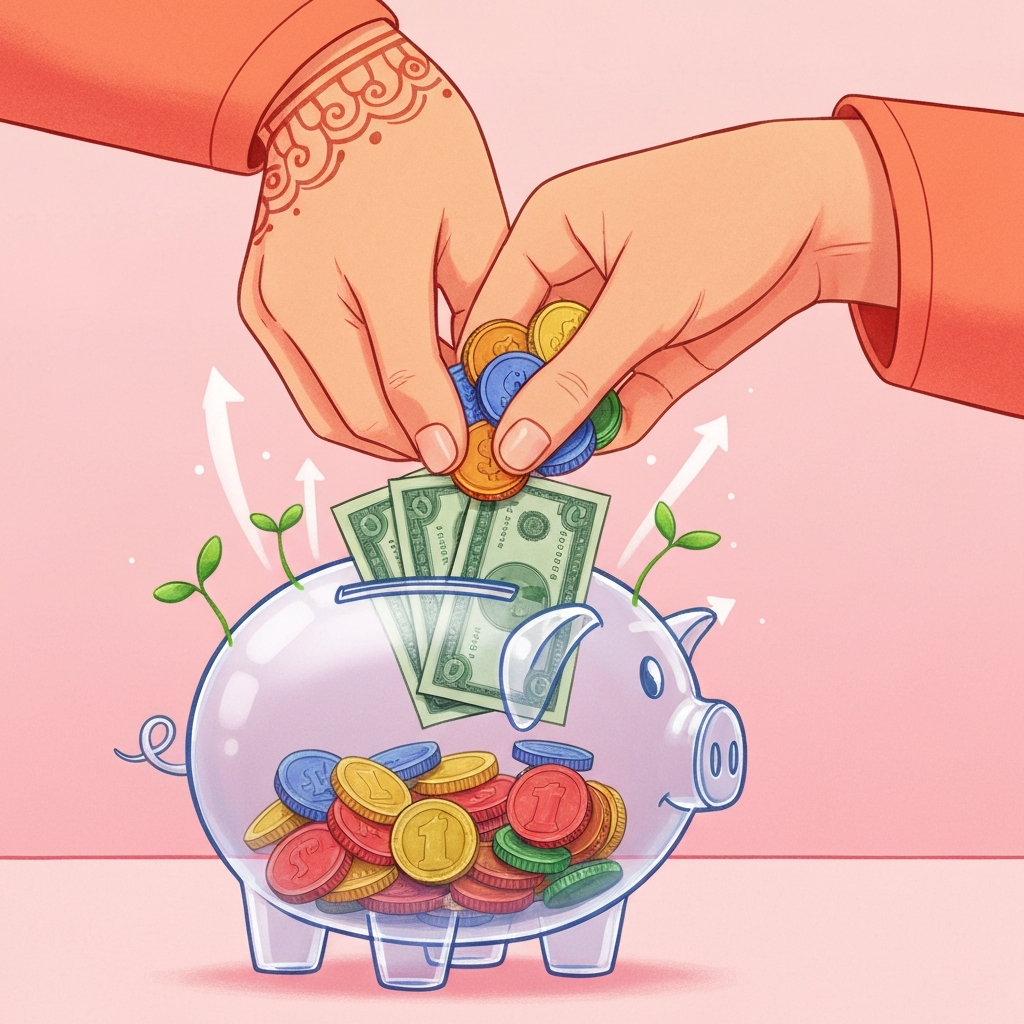
Instead of saving what's left after spending, "pay yourself first" (PYF). As soon as you receive your salary, automatically transfer 20% or a fixed percentage to a separate savings account. This habit requires high discipline but will help you accumulate wealth consistently and maximize the value of your money over time.
3. Build an Emergency Fund
Life is full of unexpected events. An emergency fund equivalent to 3-6 months of living expenses will be a safe cushion, helping you cope with risks like job loss, illness, or unexpected repairs without having to borrow or derail other financial goals. However, a 2025 Sun Life Asia survey revealed that 28% of Gen Z lack a long-term savings plan, indicating a significant gap in preparing for the future.
4. Start Investing Early, Even With Small Amounts
"Money makes money" is not just a saying. Starting to invest early, even with a few hundred thousand VND, will help you harness the power of compound interest. The Rule of 72 (divide 72 by the annual rate of return to estimate how many years it will take for an investment to double) clearly illustrates this benefit.
Basic investment channels like savings accounts (low interest but safe), mutual funds (managed by experts), or learning about stocks, gold, and investment-linked insurance can be good starting points. With 56% of new accounts opened by investors under 30 in early 2024, it shows young Vietnamese are shifting from traditional accumulation to seeking profit opportunities. However, thorough research and expert advice are crucial before making decisions.
5. Manage Debt Effectively and Avoid "Buy Now, Pay Later" Traps
Bad debt is one of the "traps you create for yourself". The "Buy Now, Pay Later" (BNPL) trend is popular but carries significant risks. Nearly 60% of young Vietnamese have at least one consumer loan, and 25% frequently forget or delay payments. Clearly distinguish between good debt (investing in the future like education, business) and bad debt (luxury consumption, spending beyond means). Prioritize paying off high-interest debts first to avoid a debt spiral.
6. Continuously Enhance Financial Literacy
Knowledge is power. Although Gen Z is a dynamic generation with quick access to information, only 38% possess basic financial literacy. Actively learn about inflation, interest rates, investment diversification, and financial products through books, courses, and reputable communities. The government and financial institutions are also emphasizing improving financial literacy for the populace.
7. Diversify Income Streams
In a volatile economic climate, relying solely on one income source carries many risks. Young Vietnamese are trending towards seeking freelance work, online businesses, or developing new skills to create multiple income streams. Diversification not only increases income but also helps reduce financial risk and enhances personal financial security.
8. Leverage Digital Technology
The younger generation are "digital natives". Make the most of digital banking apps and e-wallets to manage spending, automate bill payments, and track personal finances transparently and efficiently. Many apps also offer cashback and loyalty points, helping you save small amounts that accumulate over time.

9. Be Wary of Emotional Spending and the "Luxurious Lifestyle" Pressure
Social media amplifies the image of a "luxurious lifestyle," making many Gen Z feel pressured to spend to assert themselves. 77% of Vietnamese Gen Z prioritize enjoying the present over worrying about the future and feel social pressure makes saving difficult. Financial expert Lam Tuan advises: "When you try to spend to look rich, you're only making others rich". Practice delaying non-essential purchases for 24-72 hours to avoid impulsive spending.
10. Regularly Review Your Financial Plan
Markets and personal circumstances are always changing. Take time at least quarterly or annually to review your budget, savings goals, investment portfolio, and debts. This helps you make timely adjustments, ensuring you're still on track to achieve financial freedom.
Conclusion
Effective personal financial management is not a destination, but a continuous journey of learning, adapting, and discipline. By applying these 10 tips, young Vietnamese can build a strong financial foundation in 2026 and move towards financial independence.
And if you're looking for meaningful, unique gifts for loved ones or to decorate your living space, visit Tranh Chỉ Vietnam (tranhchi.com). Each of our exquisite handcrafted string art pieces not only carries artistic value but also symbolizes meticulousness and patience – qualities also essential on your financial management journey.