5 Simple Ways to Boost Your Mental Health at Home Today
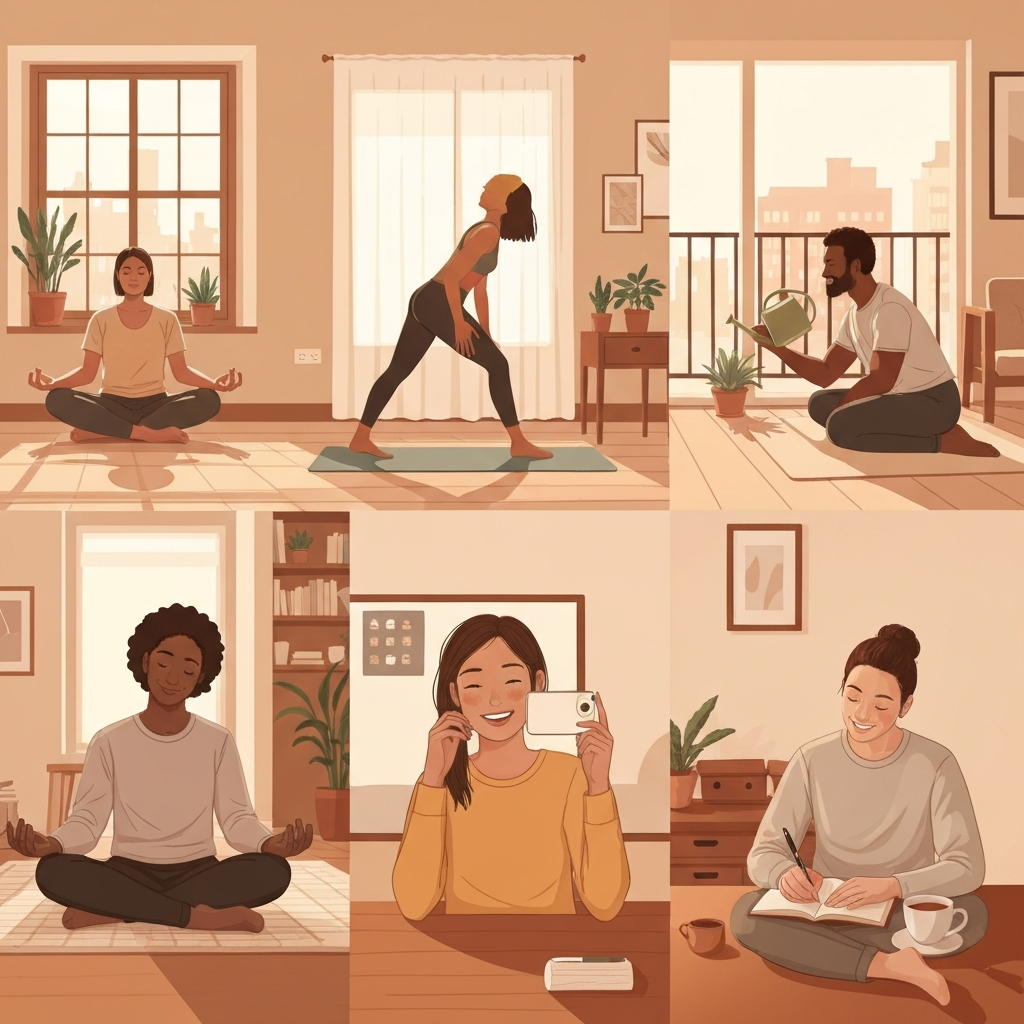
Mental health is a trending topic, especially in Vietnam, where over 14 million people struggle with psychological disorders. Discover 5 practical, at-home strategies to cultivate 'emotional fitness' and enhance your well-being right from your living space.
Feeling overwhelmed by work, life, or even social media? You're not alone. Mental health, often referred to as 'emotional fitness,' has become a critical and widely discussed topic in Vietnam and globally in recent years. Reports indicate a significant rise in the demand for mental well-being solutions, particularly simple, at-home methods.
In Vietnam, nearly 15 million people, or 14.9% of the population, contend with one of ten common mental disorders. Depression, in particular, is affecting younger demographics, with those aged 15-27 being most impacted.Alarmingly, only about 20-29% of these individuals receive professional mental healthcare. This substantial gap in resources and services underscores the urgency of self-care strategies.
The Vietnamese government is actively addressing this. The Politburo's Resolution No. 72-NQ/TW, issued on September 9, 2025, emphasizes the importance of holistic physical and mental health for the population. With an allocation of over 125 trillion VND for the 2026-2035 period, Vietnam is making a strong shift from a treatment-focused approach to proactive disease prevention and comprehensive, lifelong health care.
So, how can we proactively improve our mental health from the comfort of our homes, contributing to a "healthier Vietnam"?
1. Practice Mindfulness and Meditation: Anchor Yourself in the Present
In our fast-paced lives, our minds often wander between past regrets and future anxieties, leading to fatigue and stress. Mindfulness and meditation offer a powerful way to bring your mind back to the present moment. These practices not only reduce stress and anxiety but also enhance focus, promote calmness, and foster physical relaxation.
Scientific research shows that regular meditation can decrease activity in the brain's amygdala, the region associated with stress responses, promoting a sense of calm. It also aids the body's recovery from stress and reduces inflammatory responses in long-term practitioners.
Simple at-home practices:
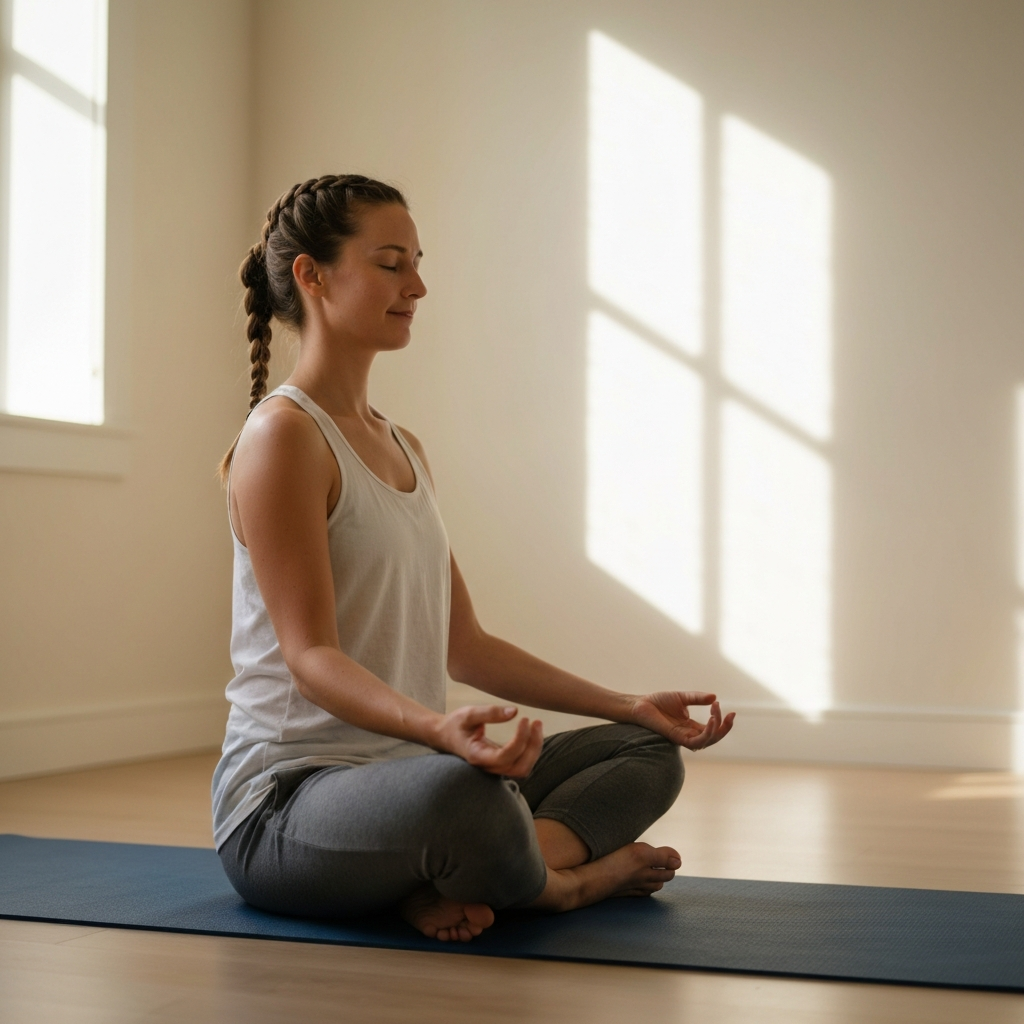
5-Minute Breath Meditation: Find a quiet spot, sit upright, and close your eyes or cast your gaze downwards. Focus entirely on your breath—feel the air enter and leave your body. When your mind wanders, gently guide it back to your breath. Even 5-10 minutes daily can make a significant difference.
Mindful Daily Activities: When eating, savor each flavor and texture. When walking, notice the sensation of your feet on the ground and the sounds around you. The goal is to fully experience each moment, no matter how small.
2. Engage in Regular Physical Activity: A Natural Mood Booster
The adage "healthy body, healthy mind" holds true. In 2025, "exercise for mental health" was ranked eighth among top global fitness trends, highlighting a profound shift in priorities—people are increasingly viewing movement as medicine for the mind to manage stress, reduce anxiety, and lift mood.
Physical activity releases endorphins, often called "feel-good hormones," which alleviate pain and improve mood. Exercising outdoors also exposes you to sunlight, boosting Vitamin D production and increasing serotonin levels in the brain, further enhancing feelings of happiness.
Simple at-home practices:
Brisk Walking: Just 10-30 minutes of brisk walking daily, whether around your home, garden, or a quiet neighborhood, can significantly alter your mood.
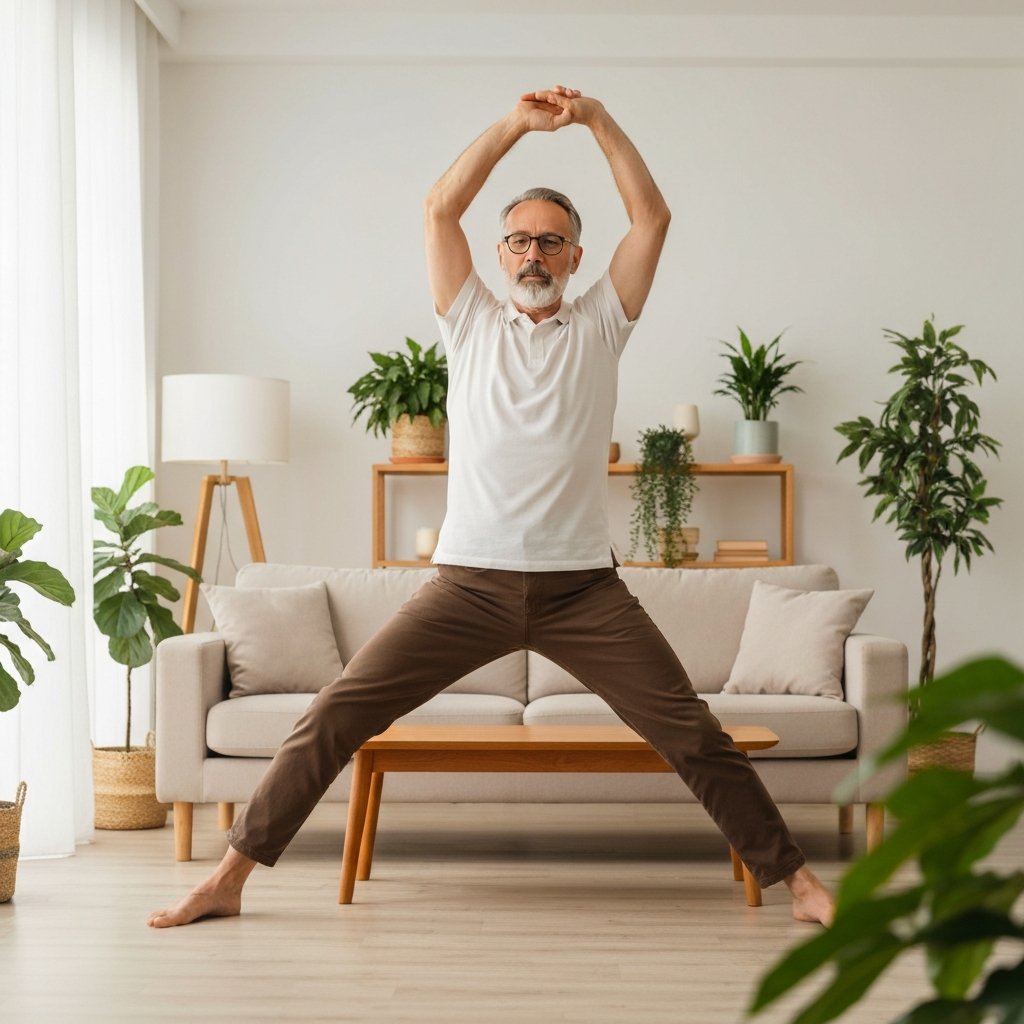
Yoga or Gentle Stretching: Mind-body practices like yoga and Pilates not only improve flexibility but also reduce stress, bringing a sense of peace. Numerous free instructional videos are available on YouTube for home practice.
House Chores or Gardening: These activities serve as physical exercise and provide a sense of accomplishment and control over your living space, positively impacting your mental state.
3. Cultivate Meaningful Social Connections: Combatting Loneliness
Humans are social beings; we require companionship and connection for our mental health and development. A lack of social connection can lead to feelings of loneliness, increased stress, anxiety, and depression. Conversely, strong, meaningful relationships with family, friends, and colleagues foster happiness, support, and a sense of worth.
Ironically, spending excessive time on social media can make you feel more isolated rather than genuinely connected. The key is to prioritize the quality of your interactions.
Simple at-home (and from-home) practices:
Video Calls with Loved Ones: Even without in-person contact, seeing faces and having real conversations via video calls with close family and friends can trigger stress-reducing hormones and create a sense of belonging.
Join Positive Online Communities: Seek out online groups or forums based on your hobbies (e.g., craft groups, cooking, book clubs) to share, learn, and receive emotional support. However, be mindful of screen time and information overload to avoid negative impacts.
Write Letters or Cards: In the digital age, a handwritten letter to a friend or family member is not just a gesture of care but also brings joy to both the sender and receiver.
4. Practice Gratitude and Positive Thinking: Fuel Your Spirit
Starting your day with a positive mindset can have a profound impact on your mood. Practicing gratitude is a powerful technique that helps shift your focus from negative aspects to the good things in your life, no matter how small.
Research indicates that positive thinking not only improves mood but also creates a positive feedback loop, further boosting your mental well-being. It helps you recognize your strengths and feel more capable.
Simple at-home practices:
Gratitude Journaling: Each evening, write down 3-5 things you are grateful for from the day. It could be a delicious cup of coffee, an interesting conversation, or even the morning sunshine. This trains your brain to focus on positivity.
Positive Self-Talk: Instead of self-criticism, offer yourself words of encouragement and acknowledge your efforts and achievements, however small.
Perform Acts of Kindness: Helping others, even with a small gesture like sending a thoughtful message, sharing an experience, or simply creating a meaningful handcrafted item as a gift. Giving back releases endorphins, fostering happiness and a sense of purpose.

5. Prioritize Quality Sleep: The Foundation of Recovery
Sleep is not merely a period of rest but a crucial process for brain recovery and information processing. Adequate and quality sleep is essential for overall health, cognitive function, and physical recuperation. Sleep deprivation can contribute to mental health issues like depression, anxiety, and reduced concentration.
Health trend research for 2025 also highlights "sleep hygiene" as a critical component for maximizing vitality and longevity.
Simple at-home practices:
Establish a Regular Sleep Schedule: Try to go to bed and wake up at the same time daily, even on weekends, to synchronize your body's internal clock.
Create an Ideal Sleep Environment: Keep your bedroom dark, cool, and quiet. Avoid electronic devices (phones, tablets) for at least an hour before bed, as blue light can interfere with melatonin production, the sleep-inducing hormone.
Relax Before Bed: Reading a book, listening to calming music, taking a warm bath, or practicing simple breath meditation can help you drift off to sleep more easily.
Nurturing Your Mental Health: A Lifelong Journey
Improving mental health is a continuous journey that requires patience and consistency. These simple at-home methods are excellent starting points to build a robust mental foundation. Remember, self-care is not selfish; it's essential for living a full and happy life.
Sometimes, finding a small joy or a new hobby can be an effective mental balm. Much like the meticulous process of creating a unique string art piece, the act of focus and creativity not only helps to de-stress but also brings a sense of calm and satisfaction. At Tranh Chỉ Vietnam, we believe that creative handicrafts can be a form of meditation, helping your soul find peace and connect with itself.
Which of these methods do you find most helpful for your mental well-being? Share your experiences in the comments below!