String Art Embracing Recycled & Natural Materials: 2026's Sustainable Interior Design Trend
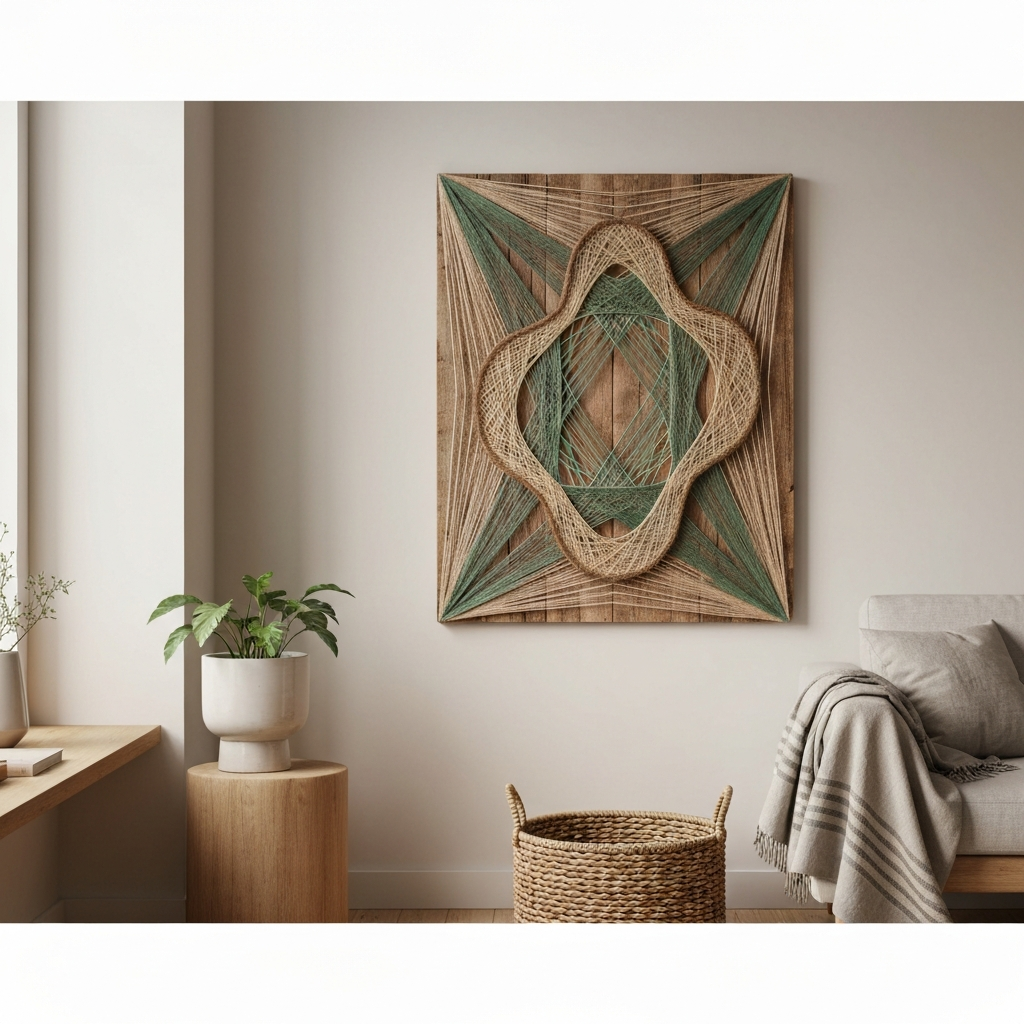
In 2026, sustainable interior design is thriving, with string art crafted from recycled and natural materials becoming a unique focal point, bringing organic beauty and an eco-conscious message to modern living spaces.
The year 2026 marks a profound shift in interior design, where sustainability and environmental responsibility are no longer optional but guiding principles for every creation. In this evolving landscape, Tranh Chỉ Vietnam proudly introduces the trend of string art utilizing recycled and natural materials, helping to shape living spaces that are not only aesthetically pleasing but also harmoniously connected with nature and imbued with meaning.
Why Recycled and Natural Materials Are Dominating 2026 Interior Design Trends
Growing concerns about climate change and human health have driven the demand for eco-friendly materials in interior design. This trend offers numerous significant benefits:
Minimized environmental impact: Using recycled materials reduces landfill waste, conserves resources, and saves energy during manufacturing.
Improved indoor air quality: Many natural and eco-friendly materials are free from VOCs (volatile organic compounds) or harmful chemicals, ensuring a healthier and safer living environment.
Unique and enduring aesthetics: Natural materials like reclaimed wood, bamboo, rattan, jute, or stone offer an authentic, rustic beauty, creating warmth and a connection to nature. They often possess high durability, standing the test of time and developing a unique character as they age.
Circular economy principles: Sustainable trends encourage longer product lifecycles, prioritizing items that can be repaired, reused, or recycled rather than discarded.
Key Materials for 2026 Sustainable Trends
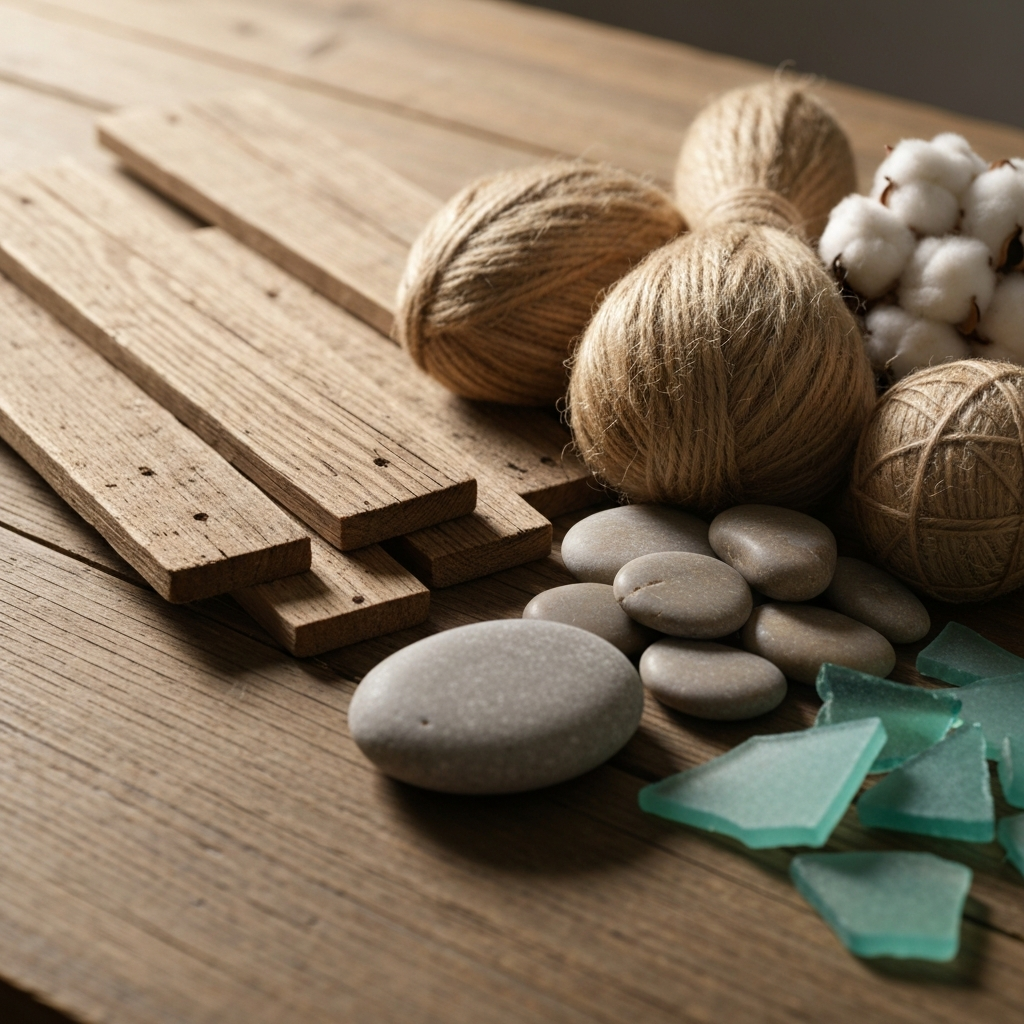
Experts predict 2026 will see a surge in the popularity of these materials:
Reclaimed wood and FSC-certified wood: Wood from responsibly managed forests or salvaged wood is a top priority, offering lasting beauty and warmth.
Bamboo, rattan, and seagrass: These materials are not only durable and rapidly renewable but also bring a rustic, natural charm.
Natural fibers: Organic cotton, linen, hemp, and jute are favored for curtains, rugs, or upholstery, providing comfort and safety.
Natural stone and handcrafted ceramics: Durable, unique, and fully biodegradable, ceramics and stone are becoming primary choices for decorative items.
Other recycled materials: Recycled glass, metals, paper, and cardboard are ingeniously transformed into striking decorative pieces, reducing waste.
String Art – A Sustainable Accent in the Modern Home
String art, with its technique of winding threads, yarn, or string around nails on a surface, inherently embodies intricate and unique craftsmanship. When combined with the 2026 sustainable materials trend, string art transcends mere decoration, becoming an art piece that not only beautifies a space but also tells a story of creativity and environmental consciousness.
String Art from Recycled Materials:
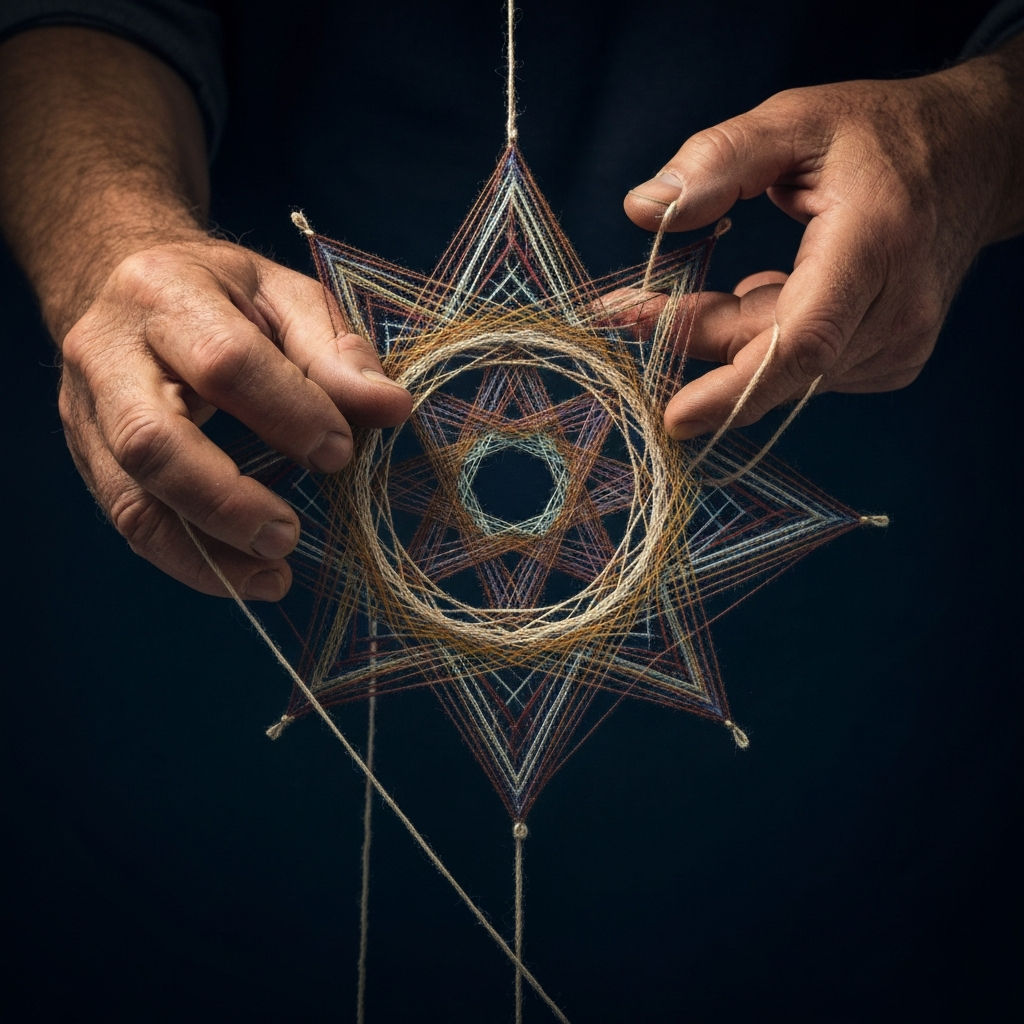
Recycled wood base: Instead of new wood panels, old pallet wood, construction scraps, or even fence pickets can be repurposed as the base for string art. The unique grains and time-worn marks on recycled wood add depth and character to the artwork.
Recycled threads and yarn: Fabric scraps, leftover yarn, jute, or sisal fibers can be skillfully collected and processed to create sharp, diverse lines of color and texture. Even discarded small electrical wires can be transformed into distinctive artistic lines.
Nails and accessories: Old nails can be reused, or nails made from recycled metal can be sourced to complete the artwork.
String Art from Natural Materials:
Sustainable natural wood base: Choosing FSC-certified wood or other responsibly sourced natural woods ensures transparent origins and minimal environmental harm.
Plant-based fibers: Jute, hemp, natural cotton, or even artisanal fibers made from tree bark, bamboo, or rattan can be used. Their natural colors bring a rustic beauty, aligning perfectly with the popular biophilic design trend.
Integration with other natural elements: String art can be embellished with other natural materials like pressed dried leaves, dried flowers, bark, or small stones, artfully incorporated to create multi-dimensional and vibrant artwork.
Tranh Chỉ Vietnam and Our Commitment to Sustainability
At Tranh Chỉ Vietnam, we continuously innovate to create string art pieces that not only achieve aesthetic excellence but also align with global sustainability trends. We prioritize the use of ethically sourced, eco-friendly materials, from recycled wood bases to natural fibers, meticulously crafted by our skilled artisans to produce unique artworks.
Choosing a piece of string art made from recycled or natural materials from Tranh Chỉ Vietnam is more than just decorating your home; it's a statement of a green lifestyle, an appreciation for resources, and a love for the planet. Join us in transforming your home into a space filled with sustainable inspiration in 2026!