Mosaic Art from Recycled Materials: Unleash Creativity and Protect the Environment
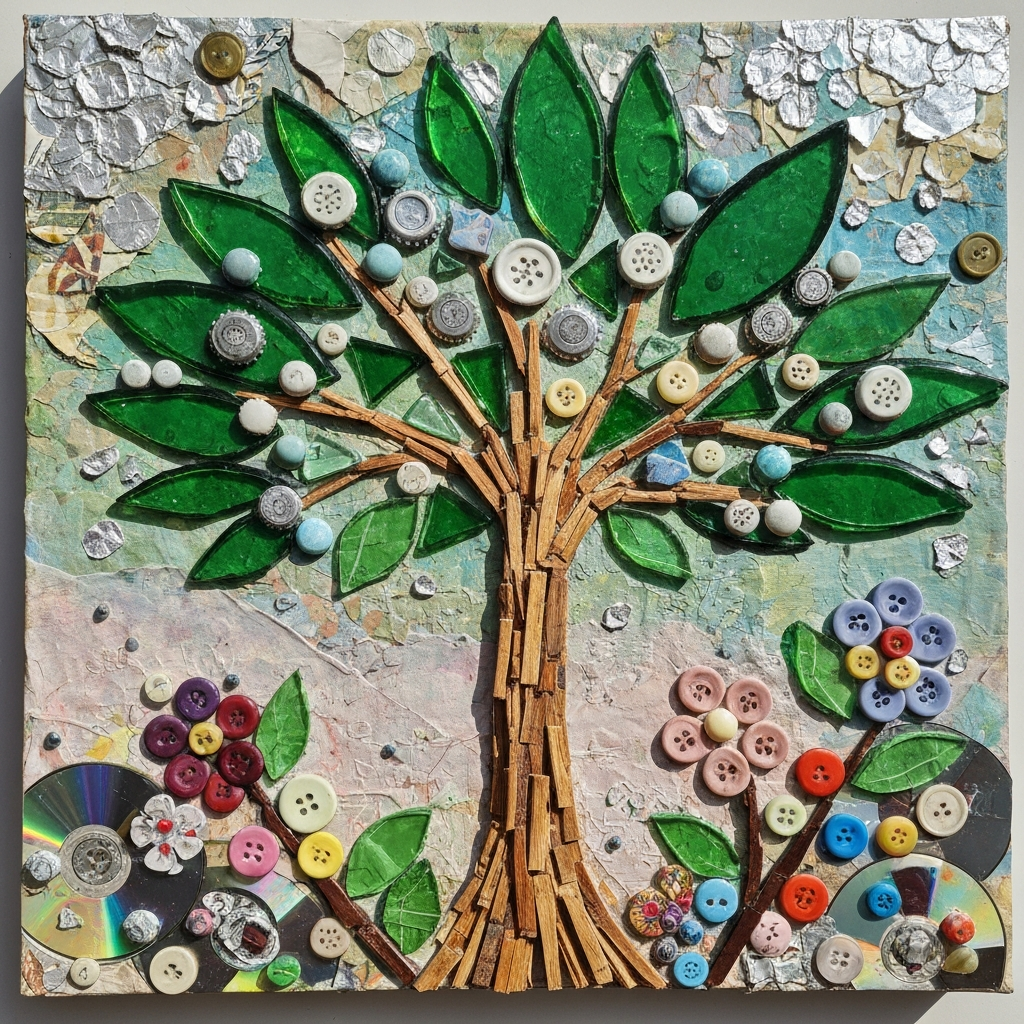
Discover mosaic art made from recycled materials – a rising trend that allows you to unleash your creativity and contribute positively to environmental protection, transforming waste into unique artworks.
Mosaic Art from Recycled Materials: Unleash Creativity and Protect the Environment
In a world where environmental issues are becoming increasingly pressing, sustainable art has emerged as a powerful tool to inspire both creativity and ecological awareness. Among these, mosaic art from recycled materials is a beloved trend, attracting those who wish to transform seemingly useless objects into aesthetically pleasing and meaningful works.
So, what makes mosaic art from recycled materials special, and why is it receiving such strong acclaim?
What is Recycled Mosaic Art?
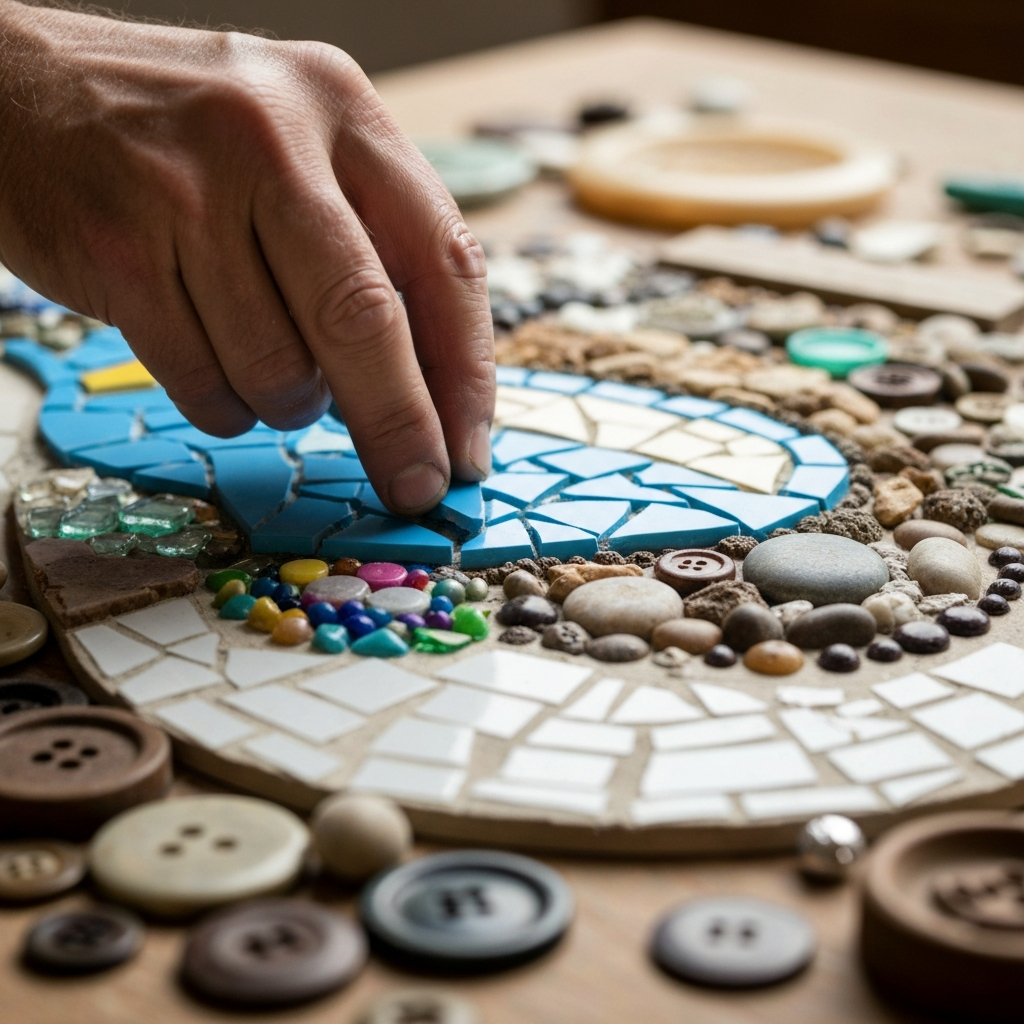
Mosaic art is the process of arranging small pieces of material, such as tiles, stone, or glass, to create a larger image or pattern. Recycled mosaic art takes this concept to a new level by utilizing used, discarded, or unwanted materials – things that would otherwise end up in landfills. From broken ceramic shards, old glass bottles, bottle caps, to newspapers, buttons, or even eggshells, all can become colorful "tesserae" (mosaic pieces) for your artwork.
Why Choose Recycled Mosaic Art?
Creating art from recycled materials is not just a creative act; it is a movement that promotes sustainability on multiple levels. There are numerous benefits when you choose this artistic path:
Waste Reduction and Environmental Protection: This is the most obvious benefit. By repurposing materials, you directly reduce the amount of waste going into landfills, limiting methane gas emissions and environmental pollution.
Lower Demand for New Resources: Manufacturing new materials requires the extraction of natural resources (wood, metals, oil for plastics) and consumes significant energy. Recycled art helps reduce this demand, contributing to resource conservation and a lower carbon footprint.
Fosters Creativity and Innovation: Working with unconventional materials challenges artists to be ingenious, revealing unique ideas and techniques. Each old material piece has its own story, creating uniqueness and character for the artwork.
Raises Environmental Awareness: Every artwork made from recycled materials tells a story about sustainability, encouraging viewers to reflect on consumption habits and waste management. It's also an excellent educational tool, especially for children.
Unique Aesthetic and Personalization: Unlike mass-produced tiles, recycled pieces often have irregular shapes, varied colors, and textures, creating a distinctive, handmade, and highly personal aesthetic for each artwork.
Cost-Effectiveness: Many recycled materials can be found for free or at very low cost, making art more accessible to everyone.
What Recycled Materials Can Be Used for Mosaic?
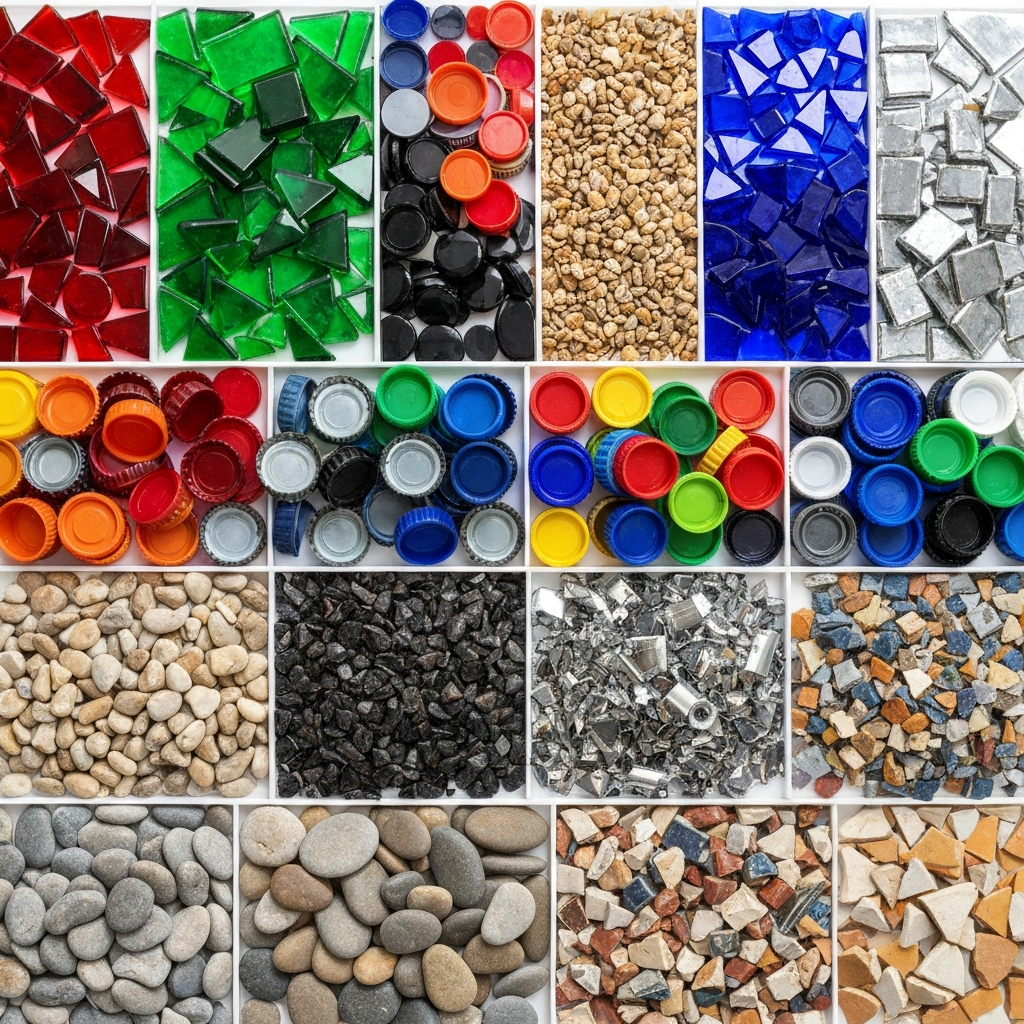
The world of recycled materials for mosaics is incredibly rich. You can use:
Ceramics and Glass: Broken pieces from old dishes, cups, broken tiles, colorful glass bottles, shattered mirrors.
Metals: Bottle caps, coins, old keys, scrap metal pieces.
Plastics: Plastic bottle caps, plastic pieces from broken toys.
Natural Elements: Seashells, pebbles, small stones, driftwood, dried bark.
Paper: Newspapers, old magazines, gift wrapping paper, cardboard.
Others: Buttons, beads, eggshells.
How to Start Your Own Mosaic Project?
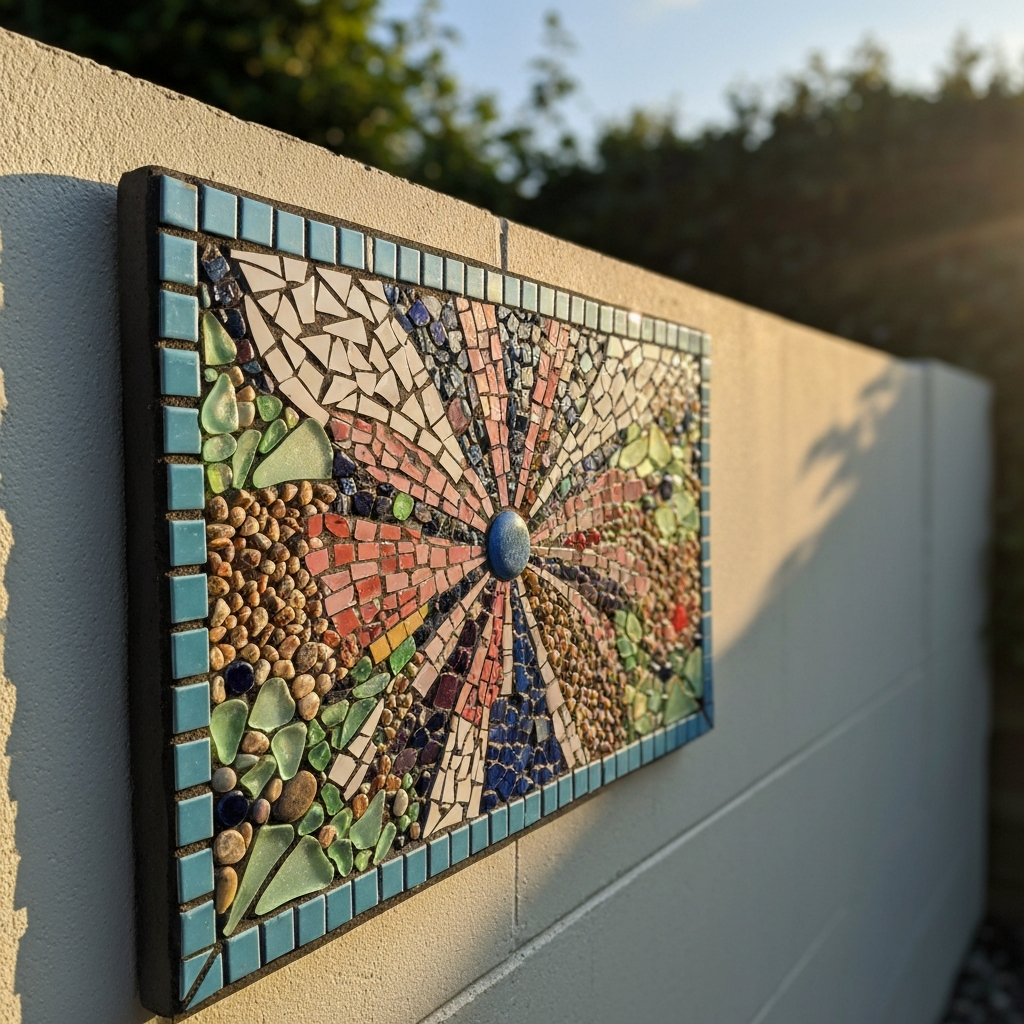
You don't need to be a professional artist to start. Mosaic art is very beginner-friendly. Here are the basic steps:
Gather Materials: Explore your home, thrift stores, or recycling centers to find interesting materials. Clean and dry them thoroughly.
Choose a Surface: You can create mosaics on various surfaces such as wood, cardboard, concrete, metal, or even an old plant pot.
Sketch Your Design: Draw your idea onto the surface or on paper before you start gluing.
Cut/Break Materials: Carefully cut or break larger materials into small pieces (tesserae) of desired shapes and sizes. Always wear gloves and safety glasses when working with sharp materials.
Arrange and Glue: Begin arranging the pieces onto the surface according to your design. Once satisfied with the layout, use appropriate adhesive (or white glue for paper) to secure them.
Grout (Optional): For hard materials like ceramics and glass, grouting will fill the gaps, increase durability, and provide a finished look. Choose a grout color that complements or contrasts with your artwork.
Finish: Allow to dry completely. For paper mosaics, you can apply a layer of Mod Podge for shine and protection.
The Future of Recycled Mosaic Art
Recycled mosaic art is not just a passing trend but a thriving sustainable art movement. Artists and designers are increasingly seeking innovative ways to minimize environmental impact while delivering unique and inspiring artworks. From decorative walls, furniture, to large-scale sculptures, the potential of recycled art is limitless.
By engaging in mosaic art from recycled materials, you not only create beautiful pieces but also become part of the solution, contributing to a greener, more sustainable future for our planet.
At Tranh Chi Vietnam, we deeply value sustainable values and draw inspiration from nature and life. While our focus is on unique string art, we believe that this spirit of creativity and environmental protection will resonate with all art lovers. Let's explore and create extraordinary things from the most ordinary!