String Art Installations and Sculptures from Recycled Materials: Where Creativity Meets Sustainability
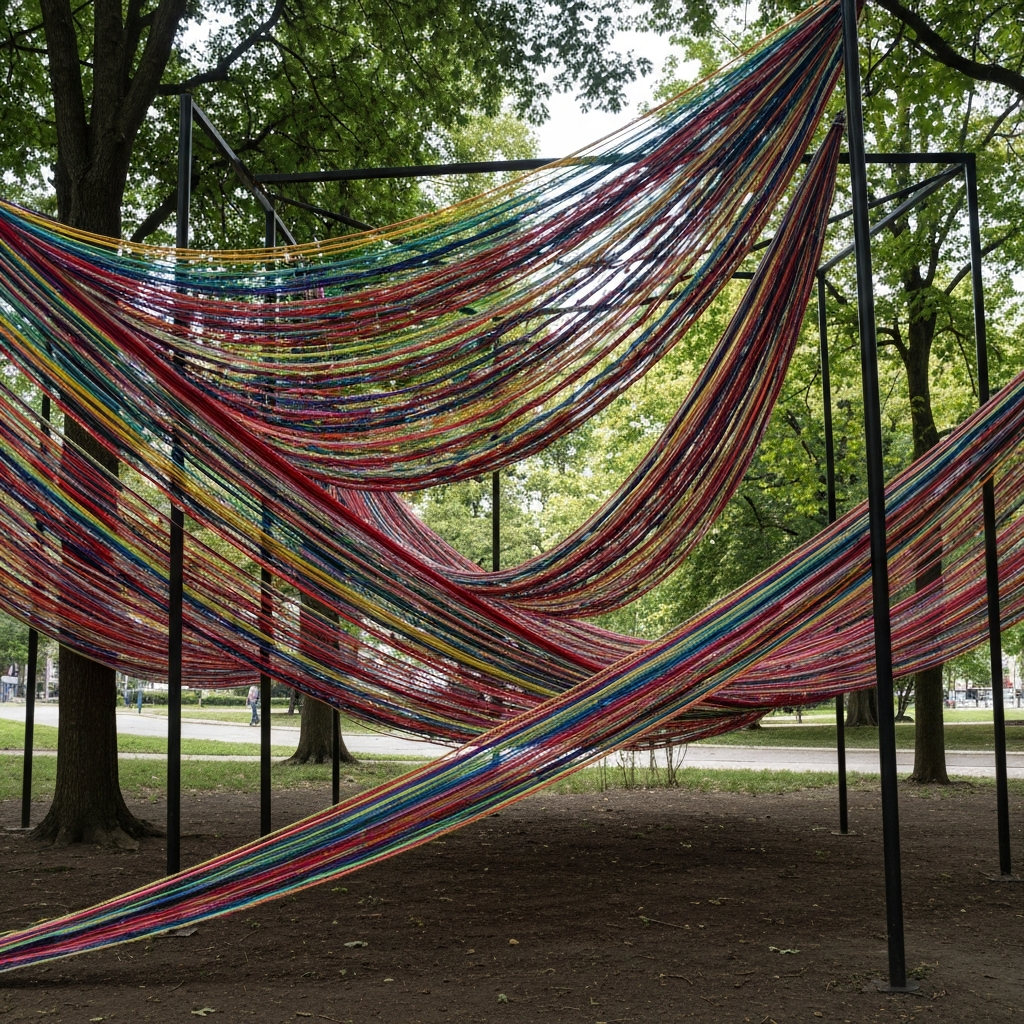
String art is evolving beyond flat canvases into captivating installations and sculptures, especially when integrated with recycled materials. Discover how Tranh Chi Vietnam and the artistic community are transforming waste into masterpieces, spreading an eco-conscious message.
From Flat Canvases to Three-Dimensional Spaces: The Green Revolution of String Art
String art has long captivated audiences with its intricate beauty and unique ability to create forms from seemingly simple threads. However, in a global landscape increasingly focused on sustainability, string art is transcending traditional wall hangings, elevating into impressive installations and sculptures, particularly when combined with recycled materials. This is a rapidly growing trend, breathing new life into contemporary art and delivering a powerful environmental message.
Why Recycled Materials Captivate String Artists

Integrating recycled materials into string art offers numerous benefits, both aesthetically and meaningfully:
Strong Environmental Message: Each artwork crafted from recycled materials serves as a visual reminder of the importance of waste reduction and planetary protection. It's an effective way to promote a green lifestyle and encourage recycling.
Unique and Personal: Recycled materials, from old ropes, electrical wires, cut plastic bottle scraps, and fabric remnants, to even used guitar strings, each carry a story, a history of their own. They create inimitable textures, colors, and shapes, making every piece unique and deeply reflective of the artist's personal touch.
Unleashing Boundless Creativity: Confronted with materials seemingly destined for discard, artists are compelled to think beyond traditional frameworks, seeking innovative solutions to transform them into artistic elements. This opens up myriad new possibilities for form, texture, and expression in sculptural and installation string art.
Cost and Resource Efficiency: Utilizing readily available materials helps reduce production costs while contributing to the circular economy by extending product lifecycles.
Transforming String Art into Sculpture and Installation

When string art meets recycled materials, the boundaries between painting, sculpture, and installation blur. Artists are no longer confined by a flat surface but begin to create works with depth, interacting with space and viewers:
From Rope to Grand Networks: Instead of just fabric or wood, the base can be large structures made from scrap metal, reclaimed wood, or even parts of abandoned buildings. Traditional threads are replaced by old ropes, used electrical wires, or various types of recycled synthetic cords, creating complex, vibrant networks that sometimes span across multiple spaces or hang suspended, producing striking visual effects.
Abstract Sculptures from String: Artists can use string art techniques to create complete three-dimensional forms, without a distinct underlying base. For example, old guitar strings can be bent and connected to form delicate lily sculptures, simultaneously strong and graceful. Similarly, other waste materials can be woven, crocheted, or wrapped around recycled metal or plastic cores to create abstract, highly symbolic sculptures.
Interactive and Public Installations: String art installations made from recycled materials are often placed in public spaces, drawing attention and encouraging community interaction. For instance, a "recycled garden" featuring installations from discarded items was exhibited in Hanoi, promoting a green lifestyle. These works are not merely art but also educational tools, prompting viewers to consider the environmental impact of consumption.
Tranh Chi Vietnam and the Sustainable Path

At Tranh Chi Vietnam, we believe art has the power to shift perceptions. We continuously explore and integrate sustainable materials into our products. While our primary focus remains string art on wooden bases, we always encourage artists and customers to experiment with recycled materials for frames, backgrounds, or even the strings themselves, to create unique and environmentally friendly pieces.
2026 marks a significant shift in interior design, where sustainability and environmental responsibility are guiding principles. String art using recycled and natural materials is becoming a unique focal point, bringing organic beauty and an eco-conscious message to modern living spaces. Materials like reclaimed wood, bamboo, rattan, jute, or even recycled glass can all be incorporated to create deeply meaningful string art pieces.
A Call to Create
String art installations and sculptures from recycled materials are not just a trend but a testament to boundless creativity, demonstrating that beauty can emerge from the seemingly useless. Join Tranh Chi Vietnam in exploring and promoting this meaningful art movement, transforming old materials into new stories, vibrant masterpieces, and contributing to a greener future for us all.