The Art of String Art and Textile Weaving with Recycled Fashion Materials: Crafting Sustainable Beauty
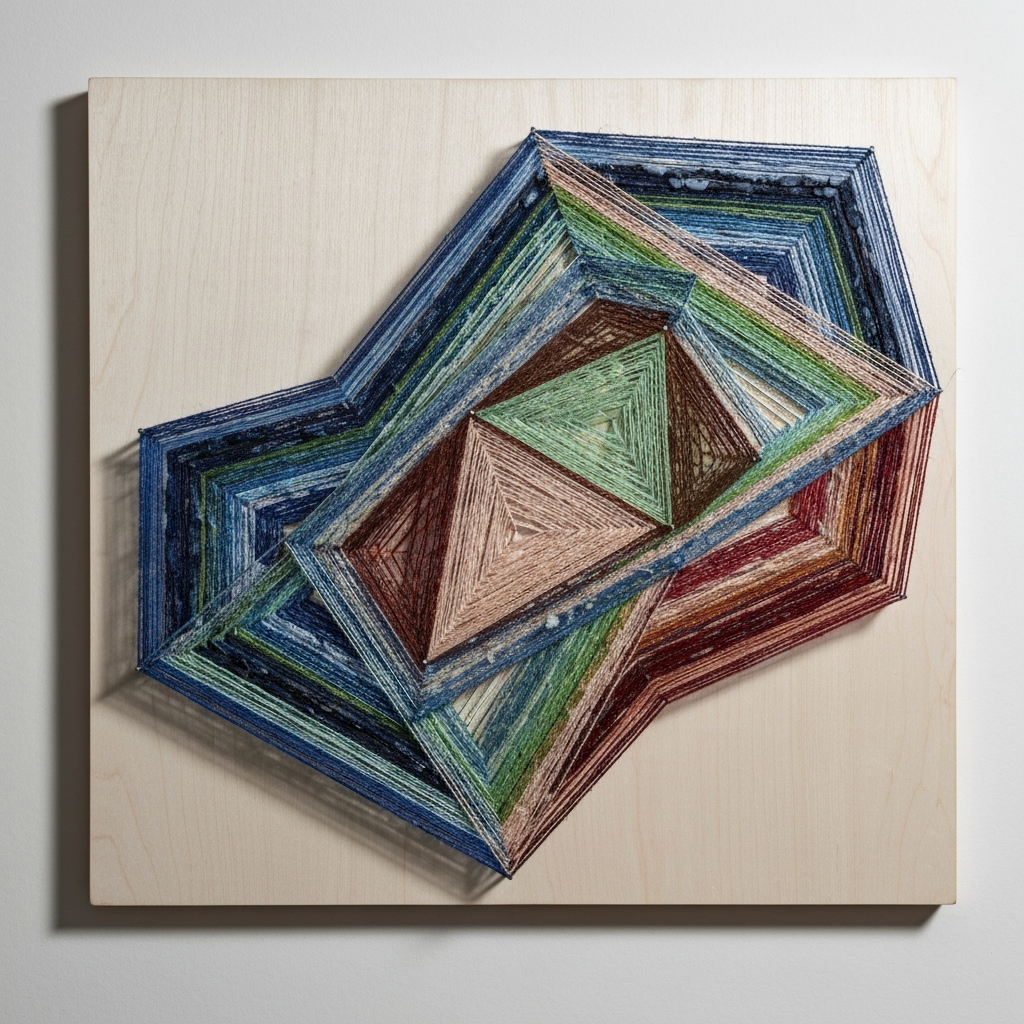
Discover the unique intersection of traditional string art and upcycled fashion materials, unlocking endless creative possibilities while promoting environmental sustainability.
Art has always been a mirror reflecting societal values and concerns. In an era increasingly focused on sustainable development, a unique art trend is gaining prominence, blending the intricate beauty of string art with environmental consciousness through recycled materials, especially fashion waste. This approach not only creates visually stunning pieces but also serves as a powerful statement about green living and boundless creativity.
What is String Art? Beauty Woven with Threads
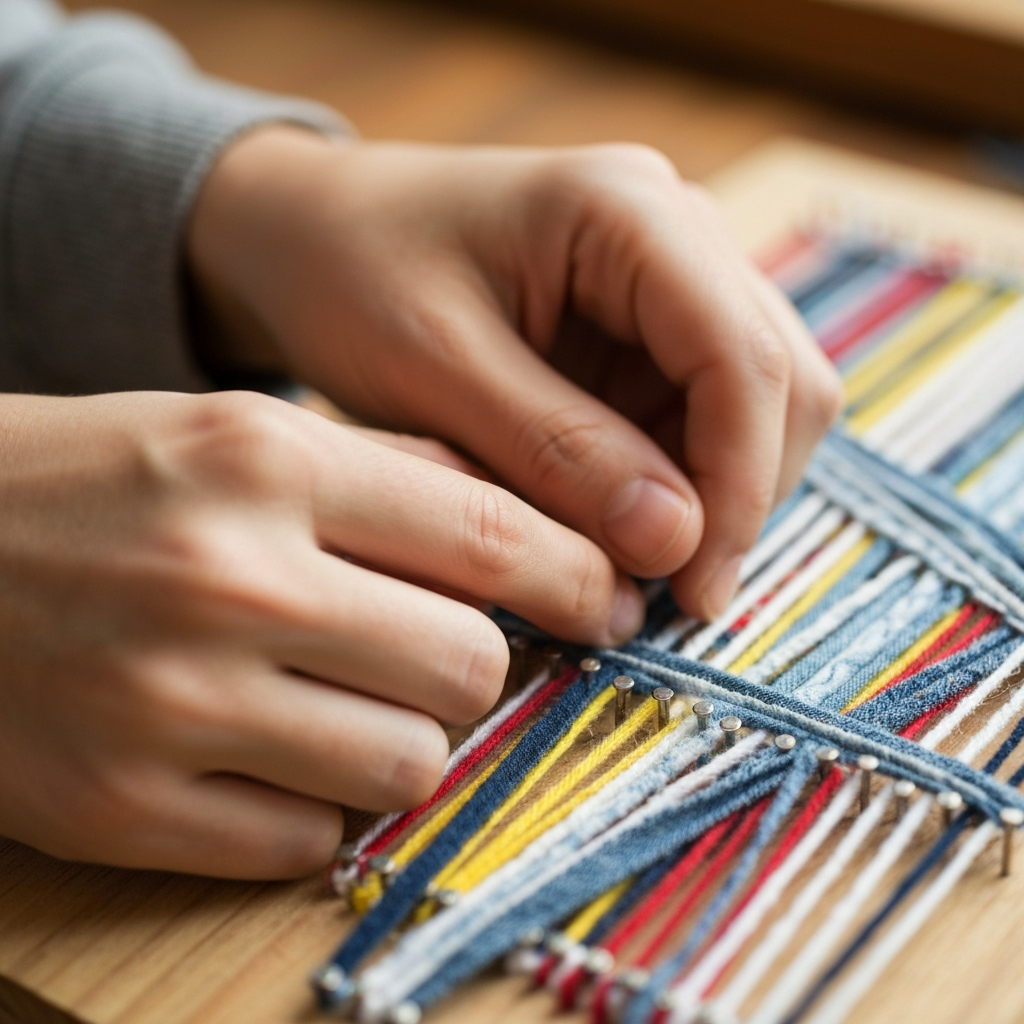
String art, also known as pin and thread art, is a craft that originated in 19th-century England and later gained popularity through mathematician Mary Everest Boole, who used it to teach children algebra and geometry [1, 13]. This technique involves stretching threads or yarn across a pattern of pins fixed on a surface, typically wood, to create intricate shapes, patterns, and even complex portraits [1, 5, 6, 8, 9]. The interplay between the straight lines of the threads and the placement of the pins creates optical illusions of curves and unique visual effects [24].
In Vietnam, string art, though a relatively new art form, has quickly captured the interest of many young people and artists, becoming a popular trend in interior decoration and gift-giving [14, 21, 28]. Vietnamese artists like Tran Ngoc Khoi and Le Van Manh have created impressive portrait pieces using thousands of pins and threads, showcasing their meticulous skill and passion for this medium [21, 22, 24].
Recycled Materials: Where Fashion Meets Sustainable Art
The fashion industry is one of the largest producers of waste. The equivalent of one garbage truck full of textiles is landfilled or burned every second, putting immense pressure on natural resources and the environment [4]. In response to this reality, upcycling has emerged as an innovative solution, transforming discarded materials into new products of higher value or quality [4, 10, 11]. This not only helps reduce waste but also conserves resources, saves energy, and minimizes pollution [7, 25].
Upcycling in Textile Art
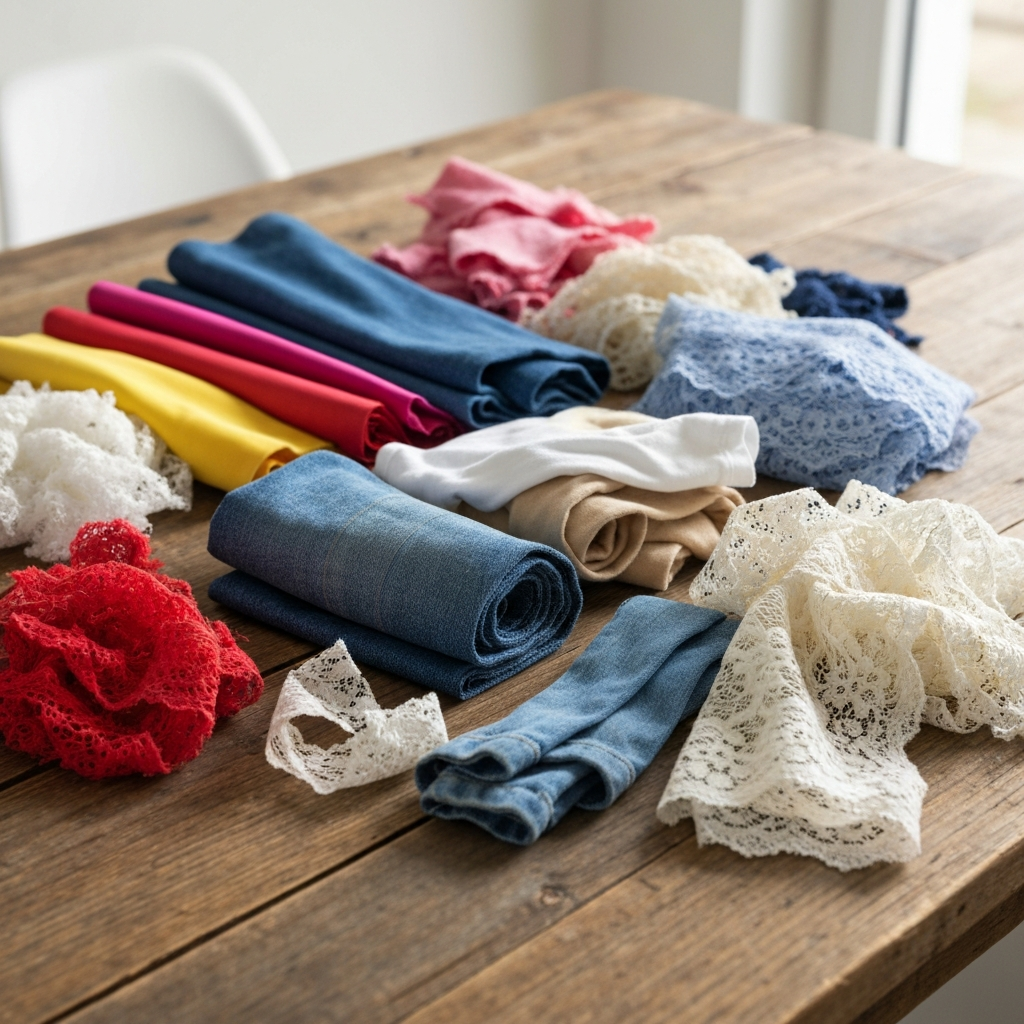
Textile artists are increasingly focusing on environmental issues and the need for sustainable practices, seeking out repurposed, discarded, or found materials for their work [3]. From old denim to surplus yarns, these materials carry their own stories and unique textures, adding depth to the artwork [25, 26].
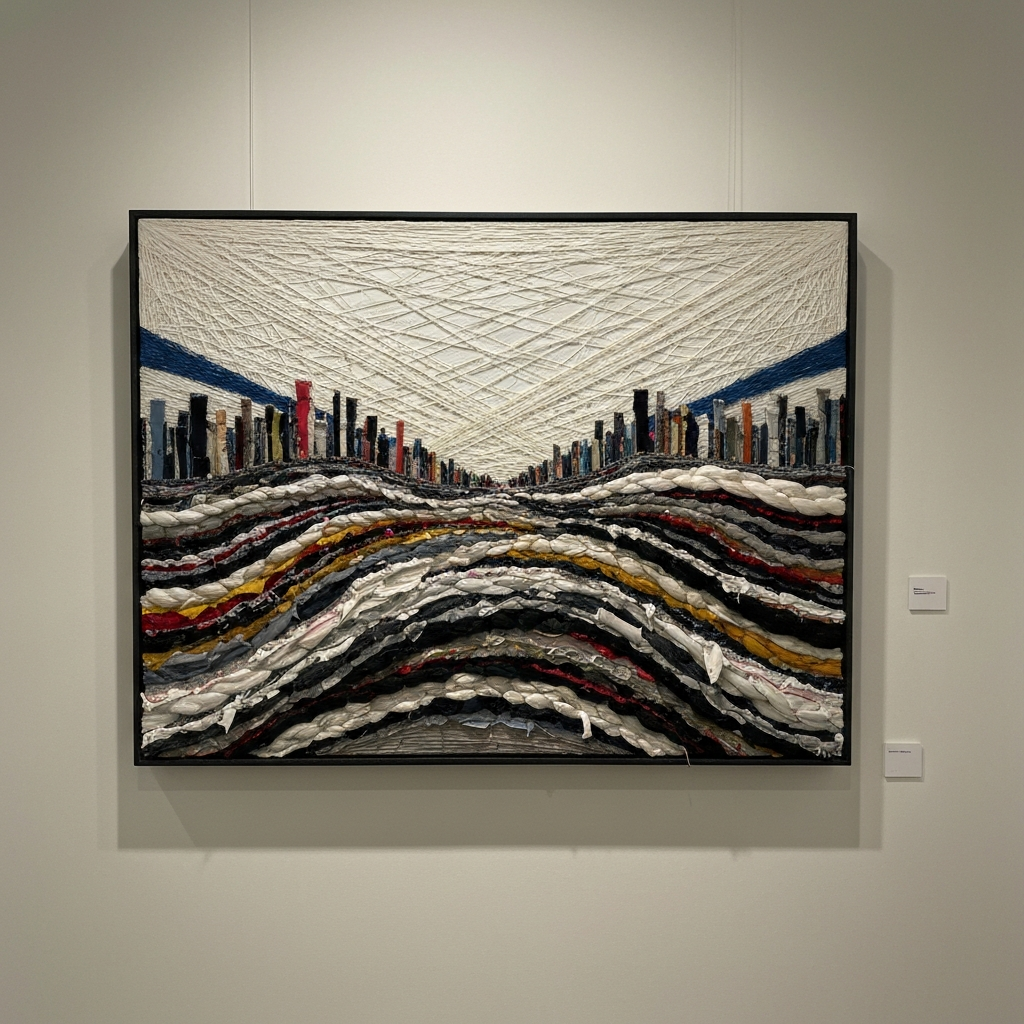
In textile art, fabric scraps and recycled fibers can be transformed into various forms such as bohemian-style wall hangings, modern woven art with striking shapes and colors, or traditional handcrafted pieces imbued with cultural identity [18]. Projects and exhibitions like "UNCOVERING Fashion" and "Cham mot net hoa" (Touching a Flower Petal) have showcased impressive artworks made from textile waste, raising critical questions about global textile waste and fostering sustainable thinking [2, 23, 27].
The Potential of Combining String Art and Recycled Threads
The fusion of string art and textile weaving from recycled materials opens up a rich landscape of creative possibilities:
Material Diversity: Instead of using only new embroidery floss or yarn, artists can utilize threads from old clothes, fabric scraps, discarded belts, or even natural fibers like cotton, jute, and hemp from fashion by-products [18, 25, 26]. This not only creates unique textures but also infuses each piece with its own narrative.
Unique Colors and Textures: Recycled materials often come with natural colors and wear, offering a vintage or rustic aesthetic that new threads may lack [25, 26]. Blending different types of fibers varying in thickness and material (silk, denim, cotton, wool) can create unexpected visual and tactile effects [8, 25].
Sustainable Message: Every artwork crafted from recycled materials is a living testament to the ability to turn "trash into treasure" [10]. They convey messages about environmental protection, encourage conscious consumption, and highlight the value of reuse [4, 7, 11].
Fosters Creativity: The initial limitation of materials (using only recycled items) prompts artists to think more creatively in their design and execution, discovering new ways to transform them [10, 26].
Techniques and Creative Ideas
To begin creating string art pieces with recycled threads, you can follow the basic steps of traditional string art [6, 9]:
Prepare the Surface: Choose a sturdy wooden board, which can also be recycled wood, sand it, and stain it if desired [6, 8, 9].
Plan and Sketch: Draw or print your desired design onto paper, then secure it to the wooden surface [6, 9].
Hammer the Nails: Use a hammer to insert small nails along the outline of your pattern, ensuring even spacing [6, 9, 15]. Needle-nose pliers can assist in holding the nails steady [6, 15].
Remove the Pattern: Carefully remove the paper pattern once all the nails are in place.
String the Design: This is the most crucial step. Instead of new thread, experiment with textile fibers from recycled fashion materials. You can cut old clothes into strips, unravel worn-out sweaters for yarn, or utilize various fabric scraps [25, 26]. Start by tying a thread to a nail, then loop it randomly or follow a predetermined geometric pattern to fill the space [5, 6, 9, 15]. The blend of colors and textures from recycled threads will create a distinctive focal point. Avoid pulling the string too tightly to prevent bending or dislodging the nails [15].
Finish the Piece: Securely tie off the thread when finished, and you can use glue to further fasten the ends, ensuring the durability of your artwork [6, 9].
With string art and recycled textile threads, each creation is more than just a decorative item; it's a narrative of innovation, environmental stewardship, and the renewed life of materials once thought to be obsolete. "Tranh Chỉ Vietnam" encourages everyone to explore and appreciate this sustainable beauty, transforming old into masterpieces filled with personal touch and profound meaning. Join us in spreading this green art lifestyle!